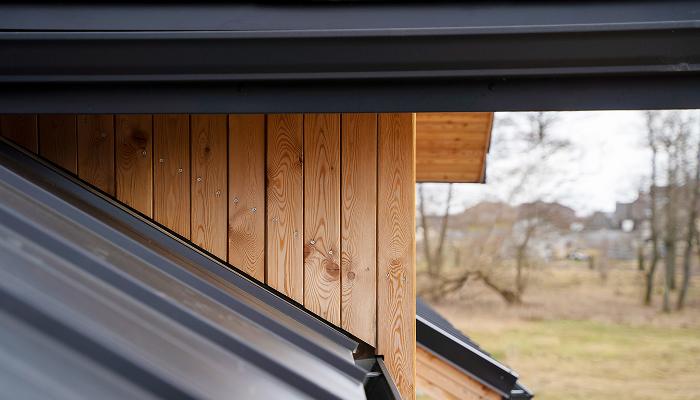
Commercial roofing has to do much more than keep rain and snow out. For an office, retail property, warehouse, or other commercial building with a sloped roof, the roofing system protects the structure, equipment, inventory, employees, and everyday operations. In Ottawa and the Ottawa Valley, the system must also handle snow, moisture, freezing temperatures, wind, and repeated seasonal changes.
Big City Roofing focuses on commercial roofing for sloped roof applications, using metal roofing and asphalt shingles. The right solution depends on the building itself, including roof slope, existing materials, structural requirements, weather exposure, maintenance needs, and the way the property is used.
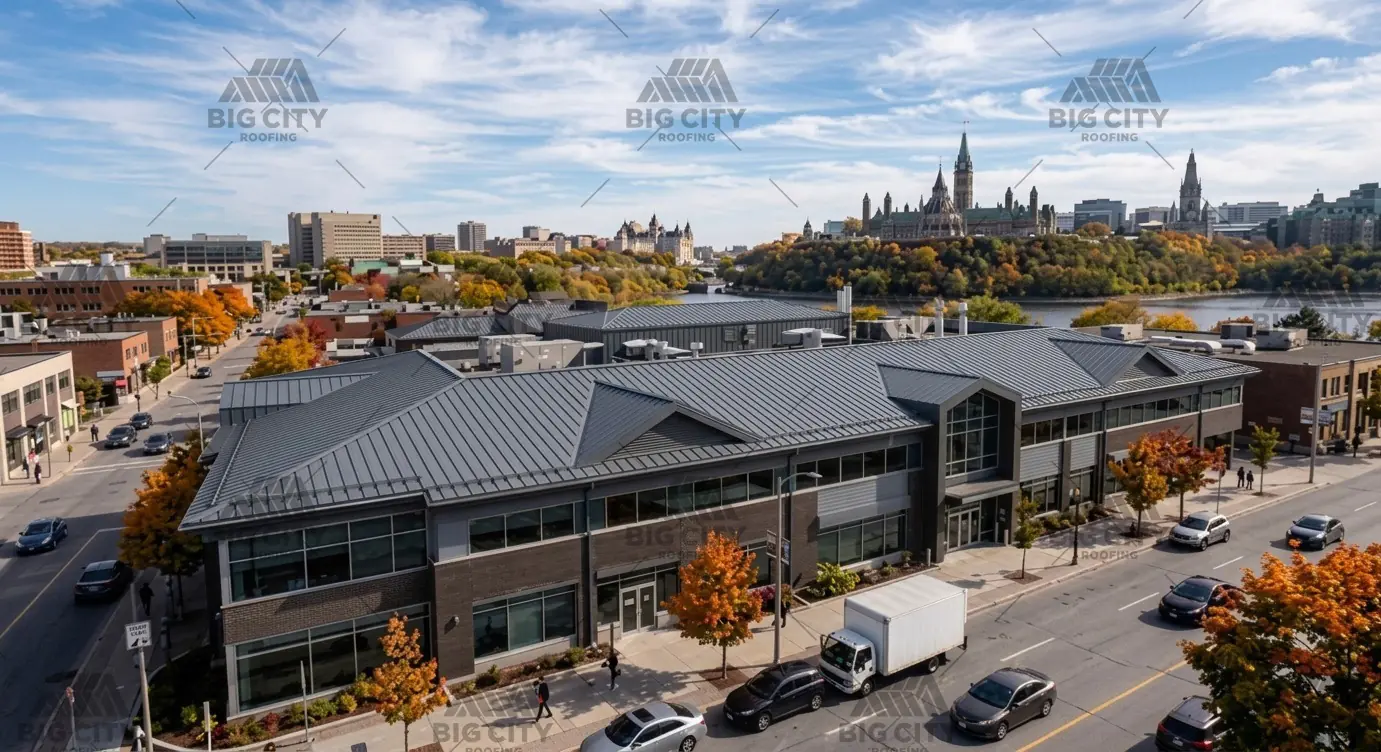
What Should You Consider Before Choosing a Commercial Roof?
Not all commercial properties have the same requirements. The most suitable system depends on how the building is used and how the roof needs to perform.
When comparing types of commercial roofing, consider:
- roof slope and drainage requirements;
- expected exposure to snow, ice, wind, and moisture;
- insulation and energy-performance goals;
- rooftop equipment and maintenance access;
- existing roof condition and structural limitations;
- expected maintenance and repair requirements.
Metal roofing and asphalt shingles are both established options for commercial roofs. The appropriate choice depends on the building, roof configuration, material condition, and expected performance.
Commercial Roofing Types
Commercial roofing types can involve different systems depending on the building and roof design. For warehouses, offices, retail properties, and other commercial buildings, material selection should consider the complete roof system, including underlayment, flashing, ventilation, drainage, and edge details.
Big City Roofing focuses specifically on metal roofing and asphalt shingles for sloped commercial roofs.
Commercial metal roofing can include metal shingles and standing seam panels. These systems can provide durable protection against weather exposure and are suitable for many sloped commercial buildings where long-term performance and low-maintenance materials are priorities.
Asphalt shingles are another practical option for commercial buildings with compatible roof designs. This type of commercial industrial roofing is available in different styles and performance levels and can be used where a traditional shingle system is appropriate.

Why Installation Quality Matters
Commercial roofing installation is a system-level job. A sloped roof must direct water effectively and maintain reliable protection around valleys, penetrations, roof edges, flashing, and other vulnerable areas.
This is why experienced commercial roofing contractors should assess the entire roof system rather than focusing only on the visible roofing material.
Proper installation also matters for wind resistance, moisture management, material performance, and long-term maintenance. The roofing system should be installed according to the requirements of the selected material and the building’s specific conditions.
Commercial Roof Repair or Replacement?
A leak does not automatically mean the entire roof needs replacement. Commercial roofing repair may be appropriate when damage is localized and the underlying system remains serviceable.
A professional assessment is recommended when you notice:
- recurring leaks or interior water staining;
- damaged flashing or roof edges;
- ponding or drainage problems;
- visible damage after severe weather;
- recurring commercial roofing repairs in the same areas;
- missing, cracked, or deteriorated shingles;
- damaged or loose metal roofing panels;
- roofing materials approaching the end of their service life.
The source of a leak is not always directly above the visible interior damage. Water can travel beneath roofing materials before entering the building, which is why proper inspection is important before repair work begins.
A professional assessment can help determine whether commercial roof repair is sufficient or whether a larger section of the roofing system requires replacement.
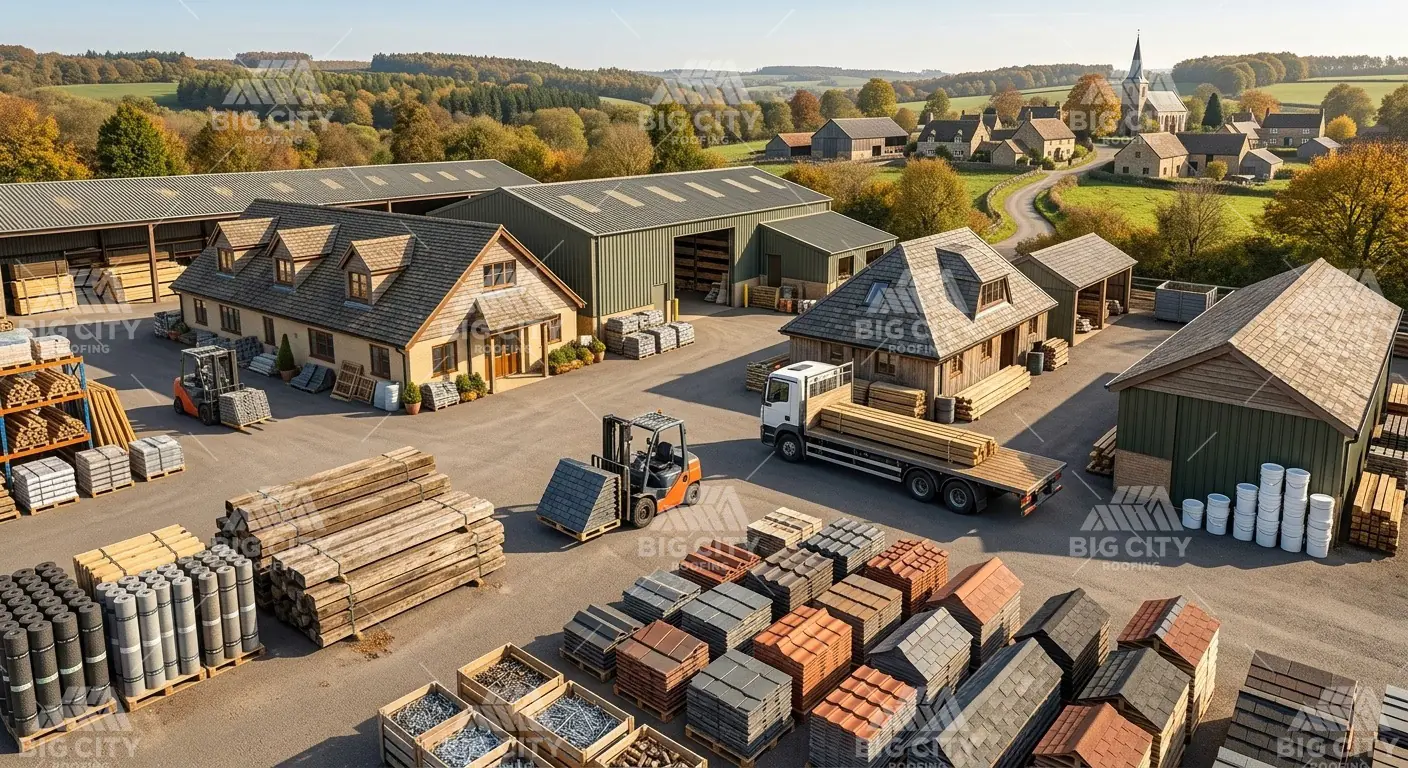
Choosing the Right Commercial Roofing Company
Choosing among Canadian commercial roofing companies should involve more than comparing the lowest estimate. A reliable commercial roofing contractor should be able to explain the condition of the existing roof, identify the source of problems, and recommend a roofing system that matches the building.
Look for experience in roofing commercial properties, particularly buildings with similar structures, usage, access requirements, and operating conditions.
Ask potential commercial roofing contractor about:
- their experience with similar commercial properties;
- the proposed roofing assembly and materials;
- drainage and moisture-management details;
- expected maintenance requirements;
- project scheduling and communication;
- what is included in the written scope.
This approach makes it easier to compare roofing contractors commercial projects require on the basis of expertise rather than price alone.
For Big City Roofing, commercial projects are focused on sloped roofs using metal roofing or asphalt shingles. This defined scope allows the assessment and installation process to remain focused on the systems the company actually provides.
Commercial Roofing for Ottawa Businesses
Ottawa’s climate makes roof performance a year-round concern. Ontario’s Building Code includes specific provisions for calculating roof snow loads, demonstrating why snow conditions need to be considered during structural and roofing design.
For owners considering commercial roofing Ottawa projects, the priority should be a system selected for the actual building, not a generic product chosen from a catalogue.
Professional commercial roofing services should address the complete roof system, from assessment and installation to maintenance, repairs, and long-term performance.
Big City Roofing focuses on practical roofing solutions for Ottawa and the Ottawa Valley, with a focus on metal roofing and asphalt shingles and attention to building requirements, Canadian weather conditions, installation quality, and long-term performance.
If your commercial roof is showing signs of deterioration or you are planning a replacement, a professional assessment can help you understand the most appropriate next step before problems become more expensive.